Cognitive Stimulation: Games and Puzzles in Memory Care That Exercise the Brain
For a loved one who experiences cognitive challenges, staying mentally engaged is important. Structured mental stimulation can assist them in maintaining their cognitive functions, encourage social interactions, and bring them those moments of joy and accomplishment. In a memory care community, staff members often plan activities that involve games, puzzles, and other brain-centric activities into daily routines.
In these supportive environments, such activities are carefully chosen with the goal of your loved one benefiting from the stimulation while enjoying the activity itself. Such activities are also easily accessible even at different cognitive levels. Your loved one will feel right at ease knowing they can participate in an activity they can look forward to daily such as games that give them that mental stimulation they need.
Why Cognitive Stimulation Matters To Your Loved One
The brain often benefits from activity in similar ways that the body does. Your loved one can engage in mental exercises that help them strengthen their neural connections, support emotional well-being, and encourage problem-solving. Cognitive stimulation can help them in so many ways including:
- Maintaining their existing mental abilities longer
- Encouraging communication and social interaction
- Improve focus and attention
- Promote a sense of accomplishment
- Reduce boredom and frustration
Even though games and puzzles cannot reverse dementia, it can play an excellent role for your loved one when it comes to mental engagement and supporting their quality of life. They can always have something to look forward to every single day as long as it provides them with that stimulation and enjoyment they need.
Puzzle Activities That Encourage Problem-Solving
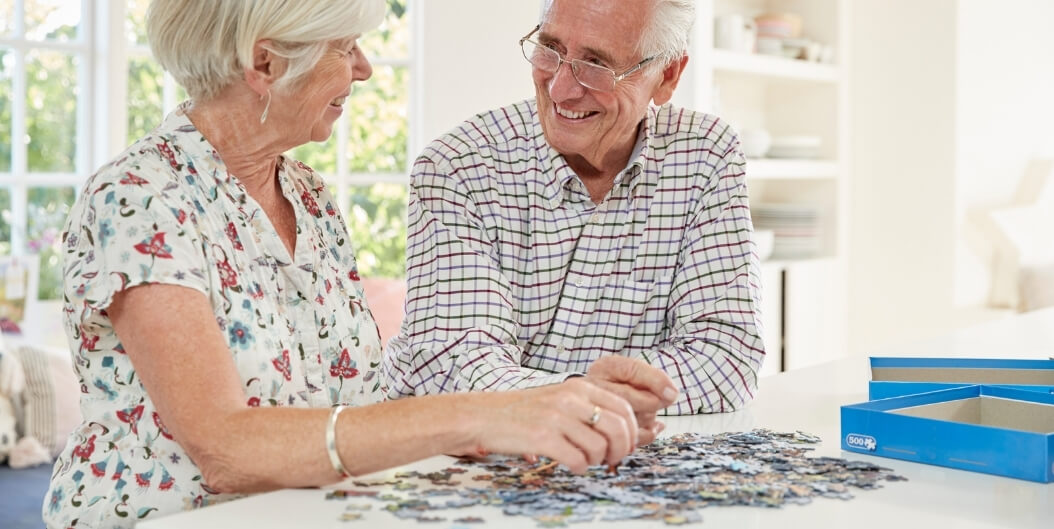
Puzzles are one of the best options for memory care activities. Your loved one may benefit from the gentle mental challenges that allow them to go at their own pace. Their care team can select puzzles for them that feature larger pieces, colorful images, and even familiar themes that will make them easier to do while also making the activity more enjoyable.
Puzzle options for memory care activities include:
- Jigsaw puzzles with large pieces
- Word searches or simple crossword puzzles
- Picture matching games
- Shape or color sorting activities
Such exercises are great for stimulating visual recognition, reasoning, and hand-eye coordination while ensuring that your loved one feels that rewarding sense of accomplishment. Puzzles can be fun for them while also providing them with a sense of joy that they feel included and understood.
Classic Games That Spark Familiar Memories
Your loved one may have fond memories of playing traditional games, be it with family or friends. By reintroducing these familiar activities, it can spark that recognition while also encouraging them to participate. Memory care communities often plan games around some of the classic choices like:
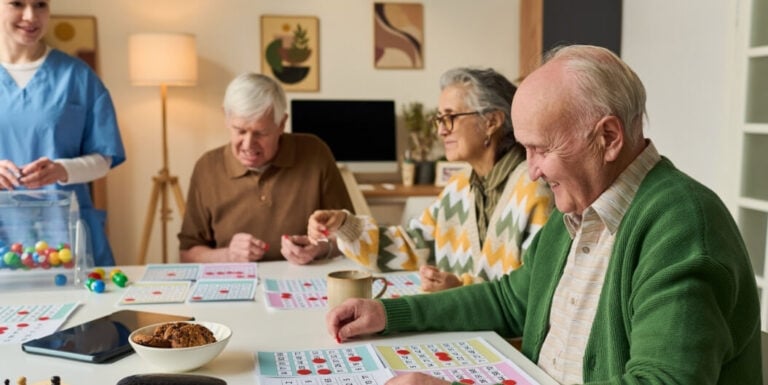
- Bingo
- Dominoes
- Card games
- Checkers
- Other simple board games
These games may be a part of your loved one’s life already. They may have also been a family tradition to play them during special times of the year. Nonetheless, these are the games that can trigger positive memories while also increasing engagement. Imagine simple rounds of cards or bingo bringing laughter, joy, and social connection for your loved one in memory care.
The Social Benefits of Games and Group Activities
Games and puzzles are both beneficial for your loved one and their cognitive stimulation needs. They create plenty of opportunities for social interaction. So when your loved one gathers with others to play these mentally stimulating games, they can laugh, feel encouraged, and converse with others. The benefits of group activities usually include:
- Strengthening friendships among residents
- Reduce feelings of isolation
- Encourage teamwork and communication
- Build a sense of community
These positive social experiences can help improve your loved one’s mood and help them feel more inclined to participate in other activities.
How Memory Care Supports Cognitive Engagement
While memory care typically focuses on dementia support, it also focuses on creating activities that encourage mental stimulation. Your loved one may not have the need to transfer to memory care but may have needs of their own that must be tended to daily. While they are receiving regular care, they can also participate in activities they enjoy such as:
- Trivia nights
- Book clubs or discussion groups
- Educational workshops
- Strategy games and puzzles
These are examples of opportunities that can help your loved one stay mentally active and socially connected. The result is long-term cognitive health benefits that they can enjoy.
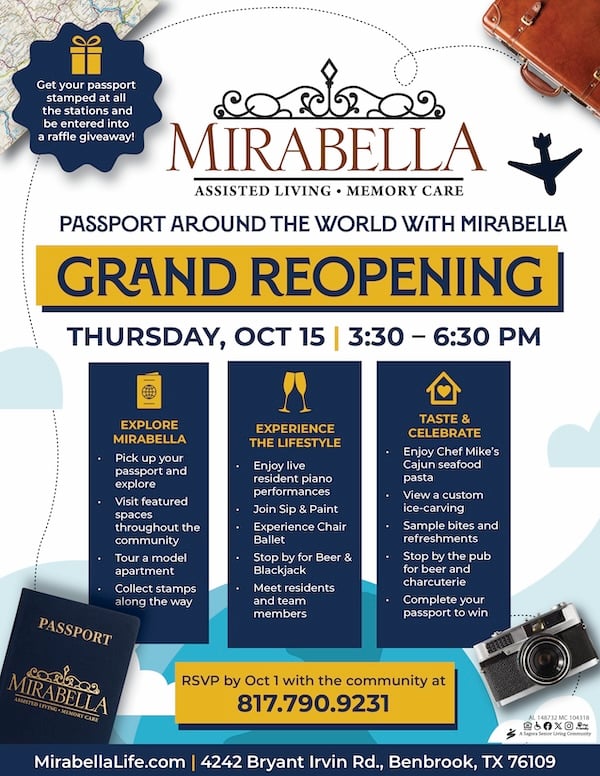
Your Loved One’s Memory Care Experience Gets Better At Mirabella Memory Care
At Mirabella Memory Care, we do our part to make sure that your loved one feels comfortable on a regular basis. We also make it our mission to ensure that they enjoy daily life through many activities such as regular games and puzzles that stimulate their minds and spark that joy they love so much. Contact us today to set up a tour of our community.