How Does Texas Heat Affect Seniors and How Can Assisted Living Communities Help?
Texas heat can place added strain on older adults because aging can make it harder for the body to adjust to high temperatures. For seniors considering assisted living in Fort Worth, Texas, a community setting can simplify hot-weather routines by providing daily support, scheduled transportation, regular meals, social opportunities, and help with everyday tasks.
Choosing Assisted Living can also reduce the number of responsibilities you have to handle alone during the hottest part of the year. Instead of planning every errand, meal, household chore, and activity around extreme temperatures, you can have more support built into your normal routine.
Why Is Texas Heat Harder on Older Adults?
Older adults are more vulnerable to heat-related problems because the body becomes less efficient at adapting to sudden temperature changes with age. Certain health conditions and medications may also affect temperature regulation or the ability to sweat normally.
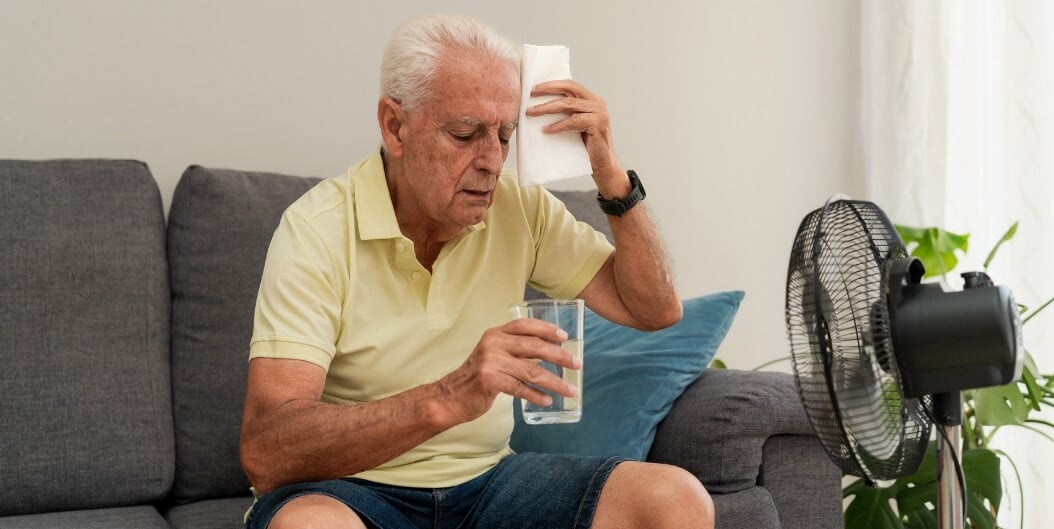
A hot Texas afternoon can therefore become more than an inconvenience. Long periods of heat can contribute to dehydration, heat exhaustion, dizziness, weakness, and, in severe cases, heat stroke. Paying attention to how you feel and limiting unnecessary heat exposure are especially important during stretches of very hot weather.
Heat can also interfere with ordinary routines. A trip to the store, a walk across a parking lot, or time spent outdoors may require more planning when temperatures are high. Practical support can help you adjust your day without giving up activities that matter to you.
What Signs of Heat Stress Should Seniors Take Seriously?
Changes such as unusual weakness, dizziness, headache, nausea, confusion, or heavy sweating can be signs that the body is struggling with heat. Heat stroke is a medical emergency and may involve confusion, loss of consciousness, a very high body temperature, hot and dry skin, or profuse sweating.
Seniors should not wait for symptoms to become severe before getting out of the heat or asking for help. Common warning signs to take seriously include:
- Dizziness or feeling faint
- Unusual tiredness or weakness
- Headache or nausea
- Muscle cramps
- Confusion or disorientation
- Hot, dry skin or profuse sweating with other signs of heat stroke
If symptoms occur, moving to a cooler place and seeking appropriate medical guidance can help determine what to do next. If heat stroke is suspected, call 911 for emergency medical help.
How Can Assisted Living Make Hot Weather Easier to Manage?
Assisted living can reduce the amount of physical work and travel you need to handle alone during extreme heat. Services such as housekeeping, linen service, medication assistance, scheduled transportation, and help with bathing or grooming can all limit the need to push through demanding tasks on very hot days.
A community routine can also provide more indoor options when outdoor conditions are uncomfortable. Instead of relying on outside errands or recreation for structure, residents can choose from shared spaces and daily activities within the community.
Regular meals are another practical advantage. When meals are provided in the community, there is less need to prepare every meal yourself or make food-related trips during peak afternoon heat. Predictable meal times can also serve as useful reminders to pay attention to fluids throughout the day.
How Can Daily Routines Reduce Heat Exposure?
A consistent routine can help you plan around the hottest hours rather than reacting after you already feel overheated. During hot weather, earlier outings, indoor activities, scheduled transportation, rest breaks, and ready access to support can all help you organize the day around safer conditions.
You can still enjoy time outside when conditions are appropriate. The goal is not to avoid the outdoors entirely, but to be more selective about timing, duration, and exertion. Checking the weather forecast, choosing morning or evening hours, wearing lightweight clothing, and keeping water nearby are simple ways to reduce risk.
Support also matters when plans need to change. A very hot day may mean postponing an outing or choosing an indoor activity instead. Having alternatives available can keep those changes from disrupting the rest of your day.
What Should You Look For When Comparing Assisted Living Options?
Heat safety should be one part of a broader look at how a community supports daily comfort and routine. If you are comparing assisted living homes near you, ask how each community helps residents manage transportation, meals, activities, personal support, and changing weather conditions.
Useful questions can include:
- What transportation is available for errands and appointments?
- What indoor activities and shared spaces are available during hot weather?
- How are meals and snacks scheduled throughout the day?
- What kind of 24-hour assistance is available?
- How can residents request help if they begin feeling unwell?
- What options are available for residents who prefer to stay indoors during extreme heat?
Answers to these questions can help you understand how well a community fits your daily habits, comfort preferences, and support needs.
Explore Comfortable Texas Summers at Mirabella Assisted Living & Memory Care
Finding assisted living in Fort Worth, Texas, is about more than choosing an apartment. It is also about choosing a daily environment where practical support can help you manage challenging seasons, including periods of intense summer heat.
Mirabella Assisted Living & Memory Care offers private apartments, scheduled transportation, daily assistance, social programming, meals, and 24-hour support for Assisted Living residents. If you would like to see how the community could fit your routine, schedule a tour and explore the spaces and services in person.